
Estate Plans Transfer Assets. We Help Transfer Values, Wisdom, and Family Identity.
Dickens Brothers makes family enterprise films. We’re a family run documentary studio in San Luis Obispo, California, making films from 15 minutes to 2 hours for founders, families and foundations, so the next generation hears what was built and why, in the founder’s own voice.

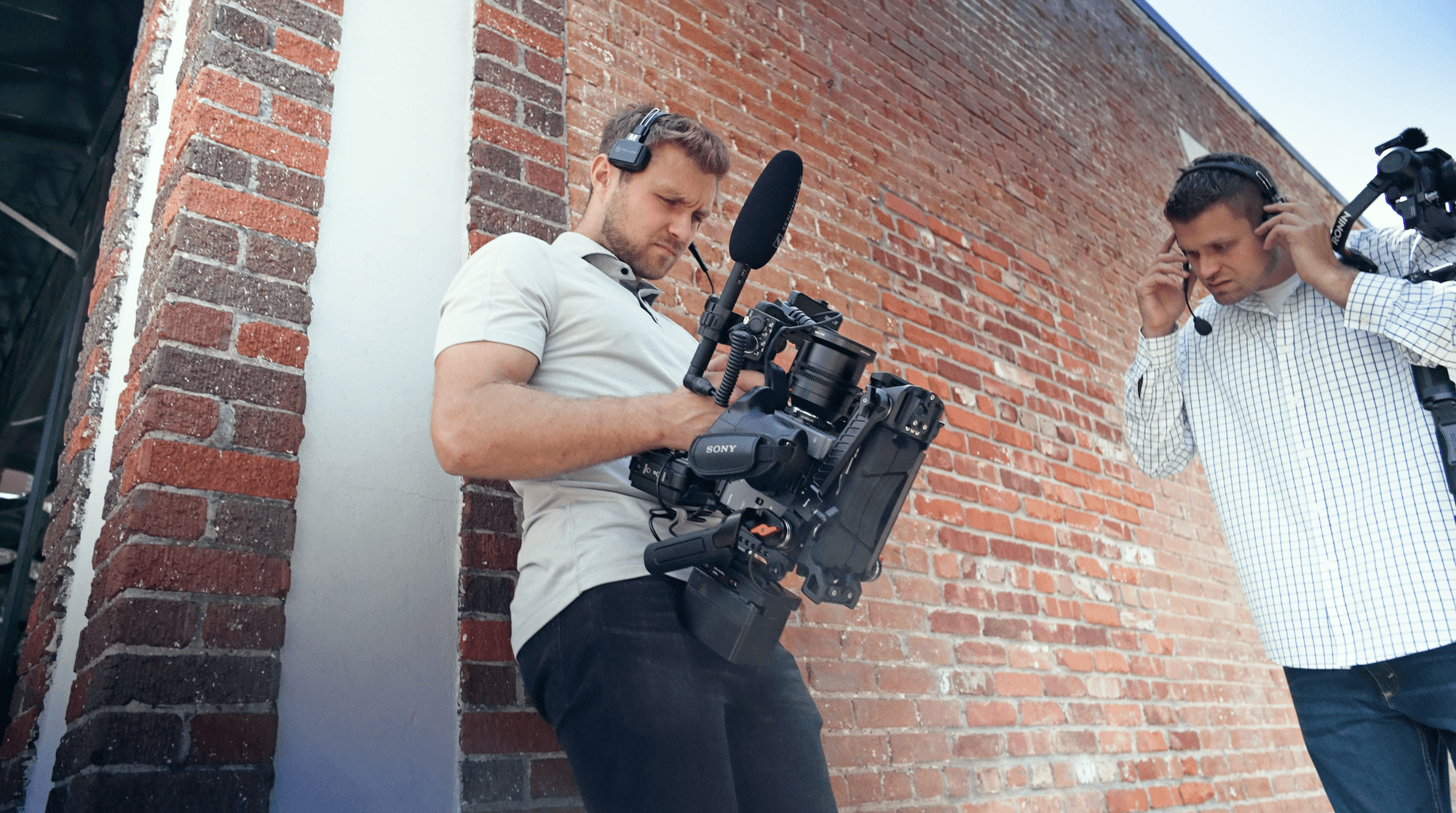
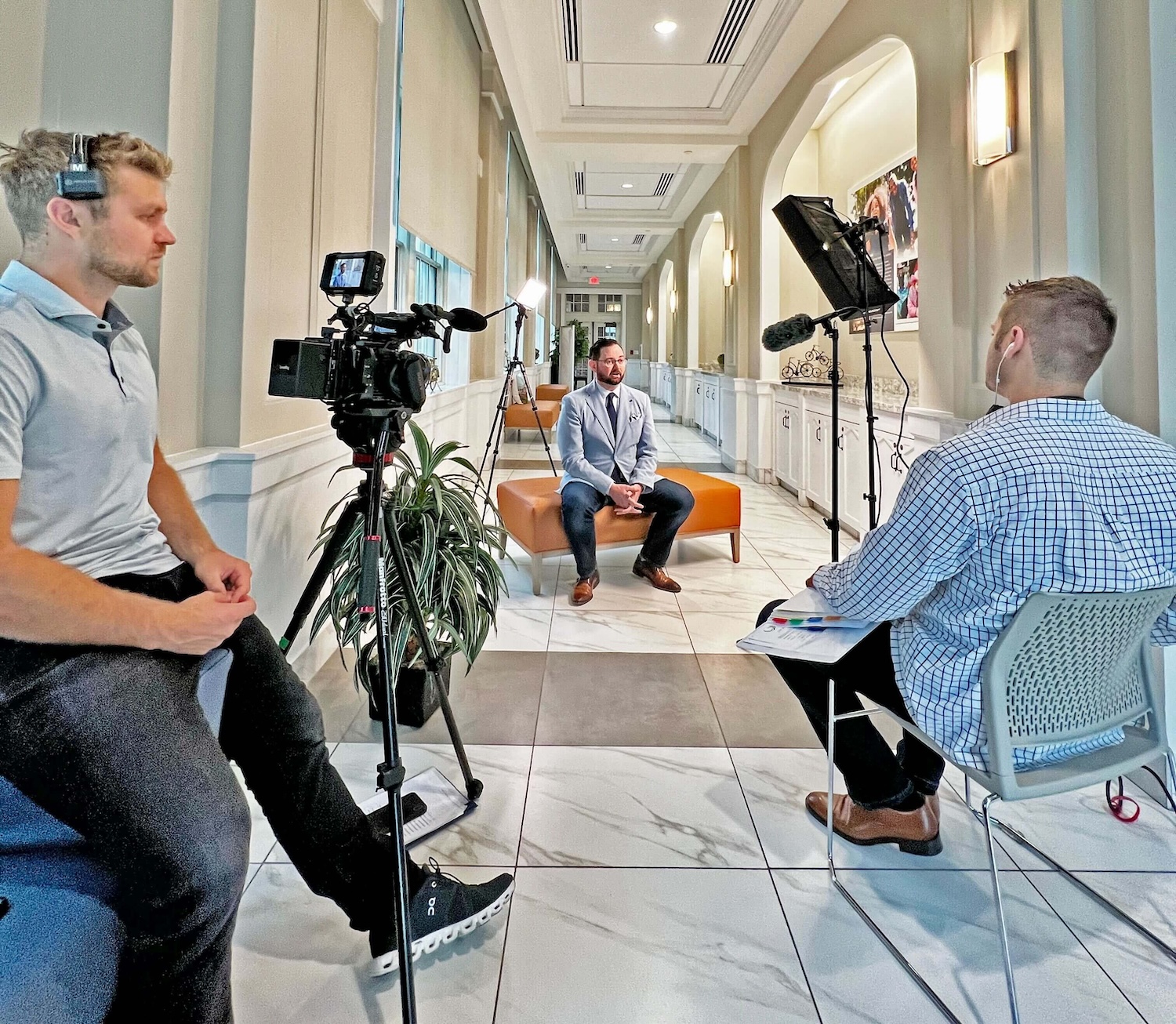
Our Story
We Were Inspired By Something That Changed Our Lives
It started for us in 2016, when we decided to make a documentary about our late father. We wanted to bring together the people whose lives he touched. A year later, we had interviewed close to 40 people and finished an 80 minute film we titled His Legacy. Making it taught us something we’ve seen in every family since. The stories that hold a family together have to be captured on purpose and handed forward, or they thin out. That’s the work Dickens Brothers does.
A family’s identity lives in more than one person. It’s held by the founders and the family, and also by the partners, mentors, rivals, employees and lifelong friends who saw the sacrifices, were there for the failures and lived with the results. We interview across generations and across relationships to find the stories rarely told and the perspectives no one has heard. Then we build them into a film the family can come back to for who they are, where they came from and what they stand for. Our process takes you on a collaborative experience to construct your legacy for future generations.
Our Story
We Were Inspired By Something That Changed Our Lives
It started for us in 2016, when we decided to make a documentary about our late father. We wanted to bring together the people whose lives he touched. A year later, we had interviewed close to 40 people and finished an 80 minute film we titled His Legacy. Making it taught us something we’ve seen in every family since. The stories that hold a family together have to be captured on purpose and handed forward, or they thin out. That’s the work Dickens Brothers does.
DOCUMENTARY CASE STUDY
A Dime to Give: The Holloway Story
WHAT WE DO
The Seven Pillars We Film
Every film is built around the Seven Pillars, the questions we bring to every interview.
History
How the wealth was built, and the turning points along the way.
Passion
What drove the founder, in human terms.
Process
How the founder made decisions, how money was made and how people were treated.
Challenges
The setbacks, and the lines the founder refused to cross.
Successes
What they're proudest of, and why.
Impact
Who was changed by what they built.
Future
What they hope the next generation does with it.
Families come back to the finished film at successions, foundation board meetings, next generation onboarding and hard family decisions.
WHO WE SERVE
Founders: The People Who Built It
You built the company, and you know what it took. What matters now is whether the people who come after you will know it too. We record your voice, the way you make decisions and the lessons that shaped what you built.

Families: The Generations Who Carry It Forward
The stories that hold your family together don't survive on their own. Without someone recording them, the origin story, the sacrifices and the principles grow thinner with each generation. We capture them in a film your grandchildren and great grandchildren will actually watch.
Foundations: The Philanthropy the Family Built
Your foundation has a mission statement, and new board members also need the conviction behind it. A foundation can drift from its purpose one board cycle at a time, even when the bylaws never change. We call that Philanthropic Entropy. A film of the founder explaining why the foundation exists keeps those reasons in front of every new trustee.
Founder to Foundations
Most families we meet have attorneys, advisors and financial plans in place. Very few have anything that records why the wealth exists, what the founder gave up to build it, or what they hope the next generation will understand. That’s the part we take on. A film captures the founding generation’s origin, values, setbacks, impact and intentions, and the family returns to it at every transition. Your advisors handle the structure, we handle the story, and the two work side by side.
Past Films
FREQUENTLY ASKED QUESTIONS
About the work
It’s a documentary about a founder, a family or a foundation, told by the founder and by the people who were there. We call them family enterprise films, and some families know them as continuity films. We make films from 15 minutes to 2 hours for founders, families and foundations. Alongside the founder, we interview family members, partners, longtime employees and mentors, so the story holds up in more than one voice and can come back out at successions, board meetings and family gatherings.
A videographer usually records an event. Our preservation work starts well before anyone is filmed, with research, interview planning across generations and gathering the family’s photos and records, and it ends with documentary editing that brings those pieces together. Families come back to the finished film for decades.
The founder, a spouse, children and grandchildren where it makes sense, and people who saw the story from outside the family, such as business partners, longtime employees, mentors, friends and sometimes rivals. Each person remembers different years and different decisions, and the film is better for having all of them.
Yes. Foundations are one of our three tracks, alongside founders and families. A foundation can drift from its founder’s purpose one board cycle at a time, even when the bylaws never change. We call that Philanthropic Entropy. A film of the founder explaining why the foundation exists gives new trustees, staff and donors those reasons in the founder’s own words. Foundations use it at executive transitions, changes in board leadership, milestone anniversaries, capital campaigns and sunsetting.
Cost and process
Every film is scoped to the family, so the cost depends on how many people we interview, how many generations the story covers and how much archive there is to work with. Families often start with a Continuity Diagnostic, a 90 minute session, before they commit to a film. We share a quote after a first conversation.
Most films take several months from the first conversation to the finished cut. The schedule depends mostly on how many generations and how many people we interview. Research and interview planning come first, then filming, then editing with the family’s photos, letters and footage.
The estate plan moves the assets. It rarely says why the founder set things up the way they did, and that’s usually what heirs end up arguing about. You may have heard that 70 percent of family wealth transitions fail, a figure usually traced to Williams and Preisser. It gets repeated a lot, and it’s also disputed. Researchers including James Grubman have questioned where it comes from, so we don’t build our case on it. Our view is that the documents and the story do different jobs. A film keeps the founder’s reasons, in their own voice, next to the documents your advisors drafted. We call the space between the two the Intent Gap.
Timing and circumstance
Earlier than most families expect. Families often start when estate or succession planning begins, when the business is being sold, at a milestone birthday or a company anniversary, or when someone notices that the founder’s stories aren’t written down or recorded anywhere.
Yes, it’s often a very good time. A sale brings the people who lived the story together, and teams tend to scatter once the deal closes. Filming during the sale or soon after lets us reach partners and longtime employees while they’re still easy to find.
Yes. We fit the schedule to the person, with shorter sessions, filming at home and starting with the questions only they can answer. Call us and we’ll talk through what’s realistic for your family.
Yes. The story can be told by the people who knew them, alongside the photos, letters and any recordings the family has. Our first film, His Legacy, was about our own father. It runs 80 minutes and drew on nearly 40 interviews with people who knew him.
Handled carefully, returning to a shared origin is often a step toward repair. The interview process gives each person their own room, their own telling, and equal dignity in the final film, and families frequently discover their accounts agree on more than they assumed. We are documentarians rather than mediators, and for families in active dispute we often work alongside the family’s advisors or a family dynamics professional.