Process
How We Preserve What Matters Most
Most families assume their stories will pass down naturally. They don’t. Within two generations, the founder’s voice, philosophy, and convictions fade, unless they’re deliberately captured in a format that future generations will actually experience.
The Seven Pillars
Each pillar represents a dimension of continuity that matters long after production ends.
History
How the wealth was built. The decisions, the gambles, the sacrifices that created everything the family has today. Without this documented, heirs inherit assets without understanding what they cost.
Passion
What drove the founder, not in corporate terms, but in human terms. The conviction that kept them going through the years no one saw. This is the layer that turns inheritors into stewards.
Process
How the founder actually made decisions. The principles they used. The instincts they trusted. This is the leadership philosophy that the next generation needs, not a textbook, but a lived example.
Challenges
The setbacks that nearly ended everything, and what the founder refused to compromise on. Obstacles reveal values more clearly than any mission statement.
Successes
The achievements the founder is most proud of, and why. Often it’s not the biggest deal or the highest number. It’s the moment they proved something to themselves.
Impact
Who was changed by what the founder built? Employees, communities, family members, partners. This is the evidence that the work mattered beyond the balance sheet.
Future
What the founder hopes the next generation will do with what they’ve received. Not just financial stewardship, but purpose, responsibility, and character. This is the chapter the family writes together.
We weave these pillars into every narrative we help preserve, not as checklist items, but as the structural nodes of continuity itself.
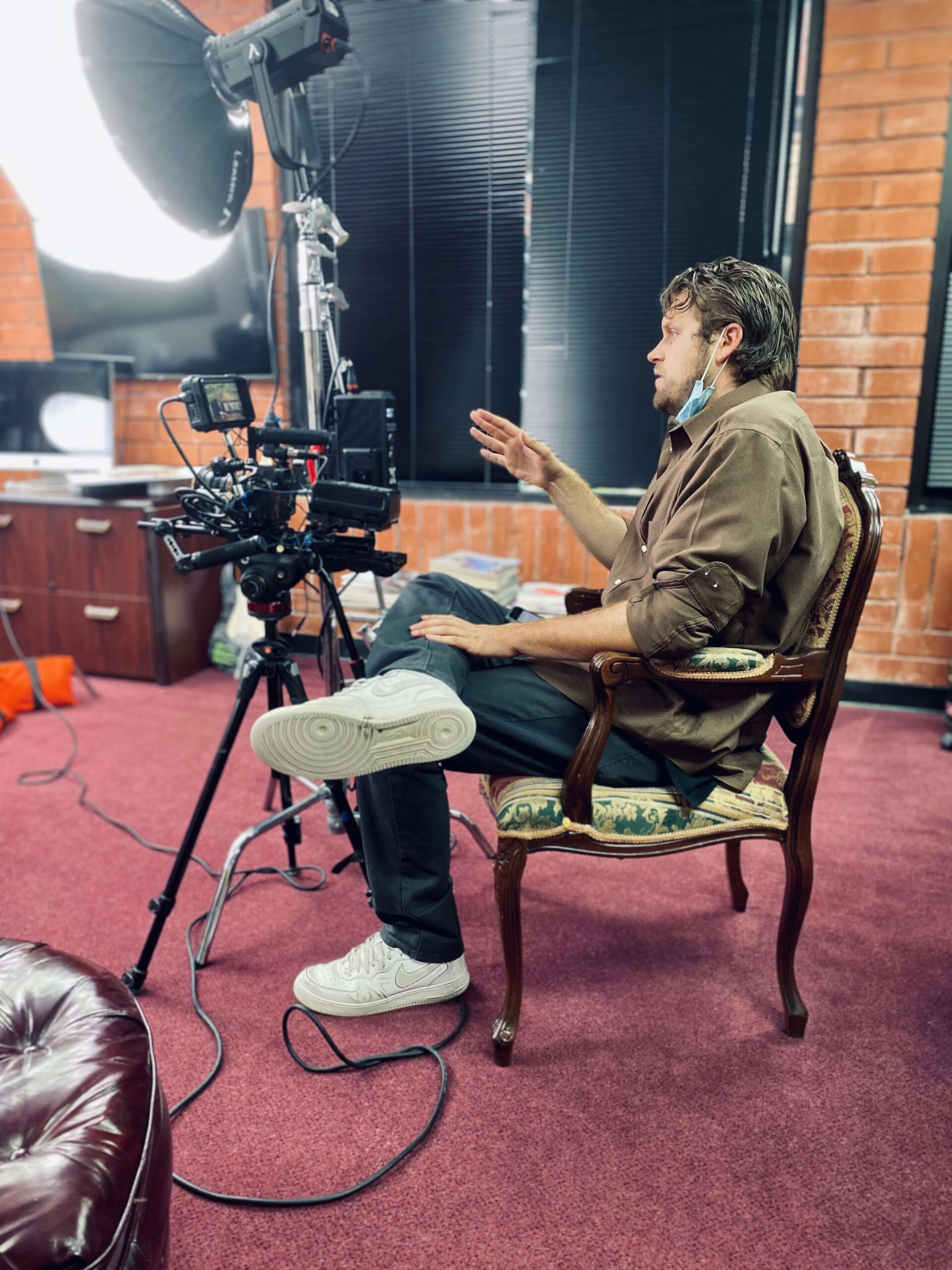

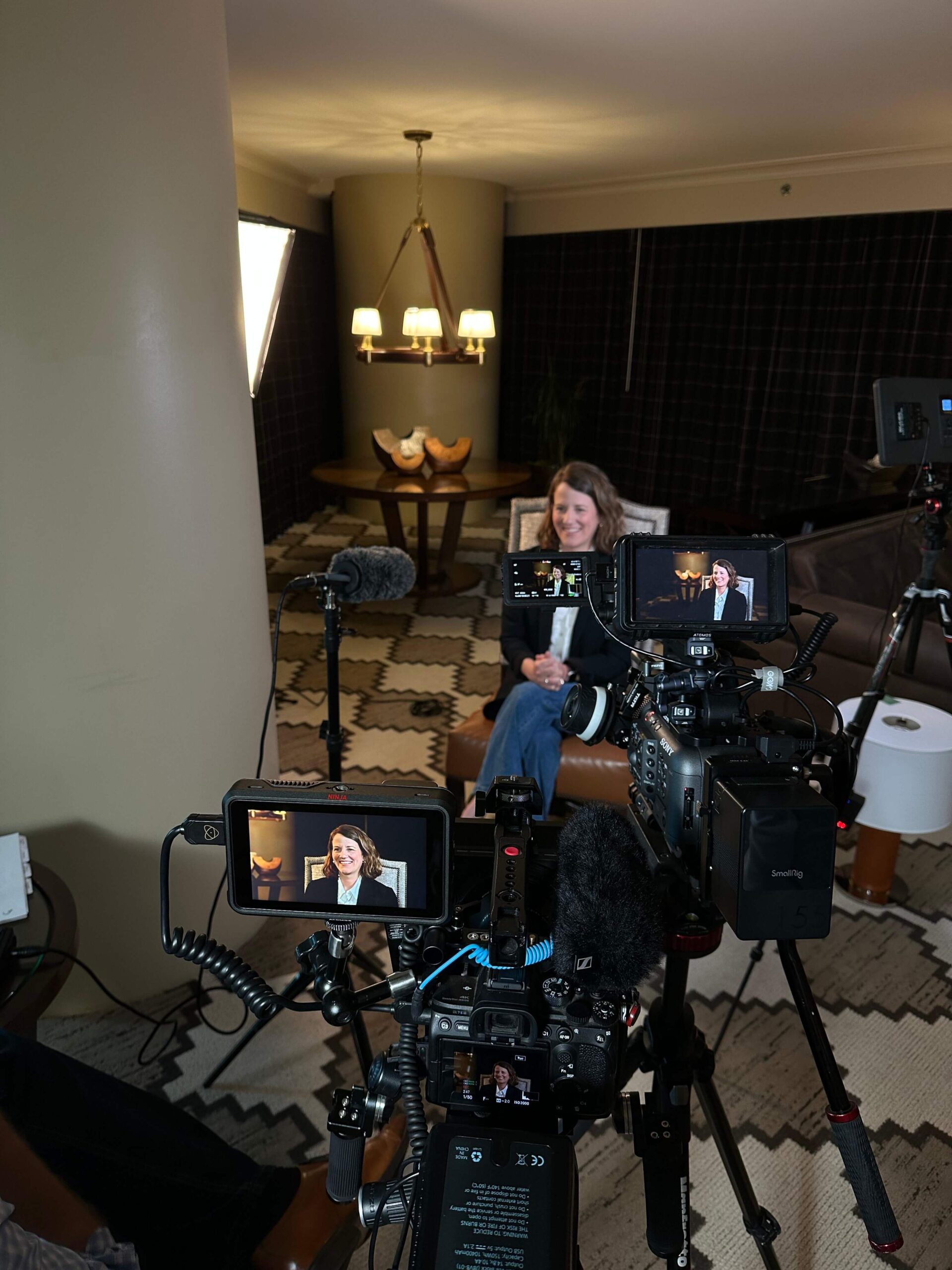
It’s our passion. Our story. Our legacy.
Why This Structure Matters
Estate plans tell the next generation what they’ll receive. Our process tells them why it exists, what it cost, and what’s expected of them. That understanding is the difference between heirs who spend and stewards who build.
One family uses their film at every annual family meeting. Another incorporated it into their foundation’s new board member onboarding. A third watches it together every Thanksgiving. The format is permanent. The uses are endless.
Beyond Video: A Living Reference
While our process informs documentary production, it exists independently as a story architecture that:
- anchors family meetings
- guides leadership transitions
- clarifies mission and identity
- becomes a teaching tool for emerging inheritors
In other words: the Continuity Framework is not just for film, it is a way of seeing legacy.
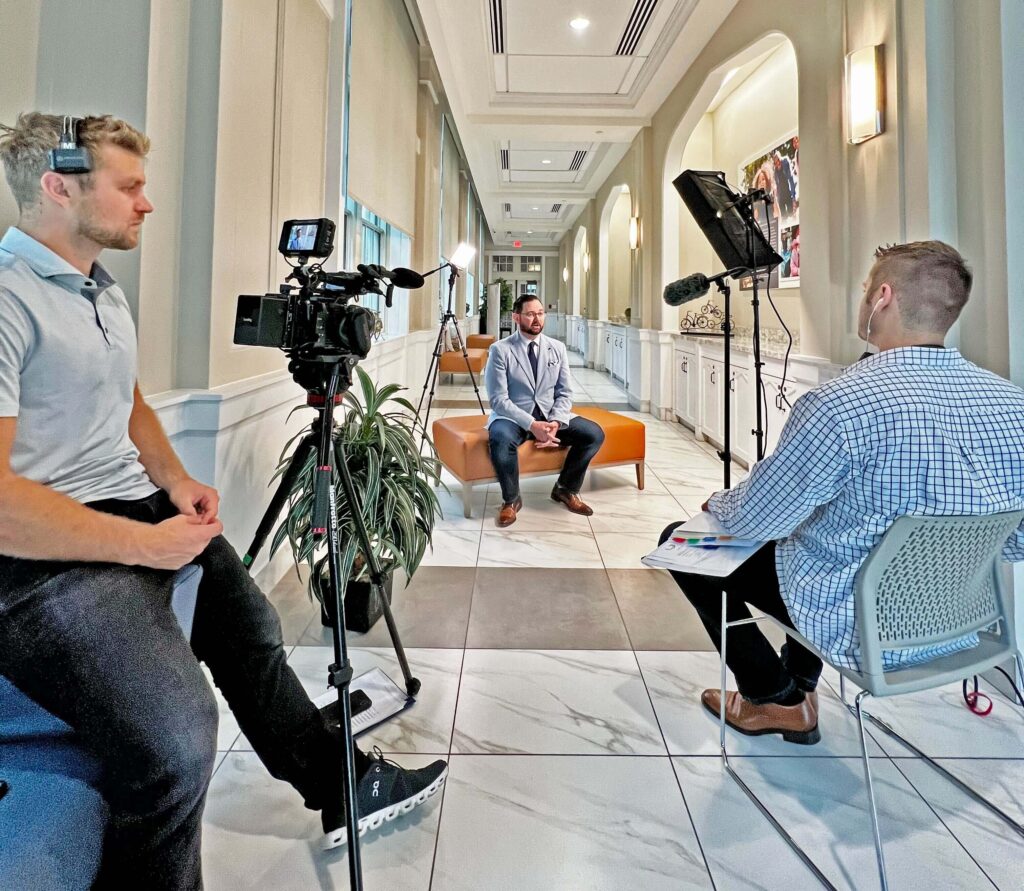
It’s our passion. Our story. Our legacy.
Why This Structure Matters
When story is organized only as chronology, you get dates and events.
When story is structured as meaning, you get orientation.
Orientation answers the questions successors actually ask:
- “Why did they do it this way?”
- “What did success feel like to them?”
- “What should we carry forward?”
- “What should we never repeat?”
Our Continuity Framework gives families, founders, and foundations a lens through which future decisions make sense — because they can trace them back to why choices were made in the first place.
Beyond Video: A Living Reference
While our process informs documentary production, it exists independently as a story architecture that:
- anchors family meetings
- guides leadership transitions
- clarifies mission and identity
- becomes a teaching tool for emerging inheritors
In other words: the Continuity Framework is not just for film, it is a way of seeing legacy.
How the Framework Is Used
Long-Form Legacy Work
Deep narrative exploration for families, founders, and foundations capturing every dimension of meaning.
Short-Form Story Capture
Focused pillars used in specific moments to support digital presence or social engagement.
Both approaches draw from the same structure so continuity is consistent, even when formats differ.
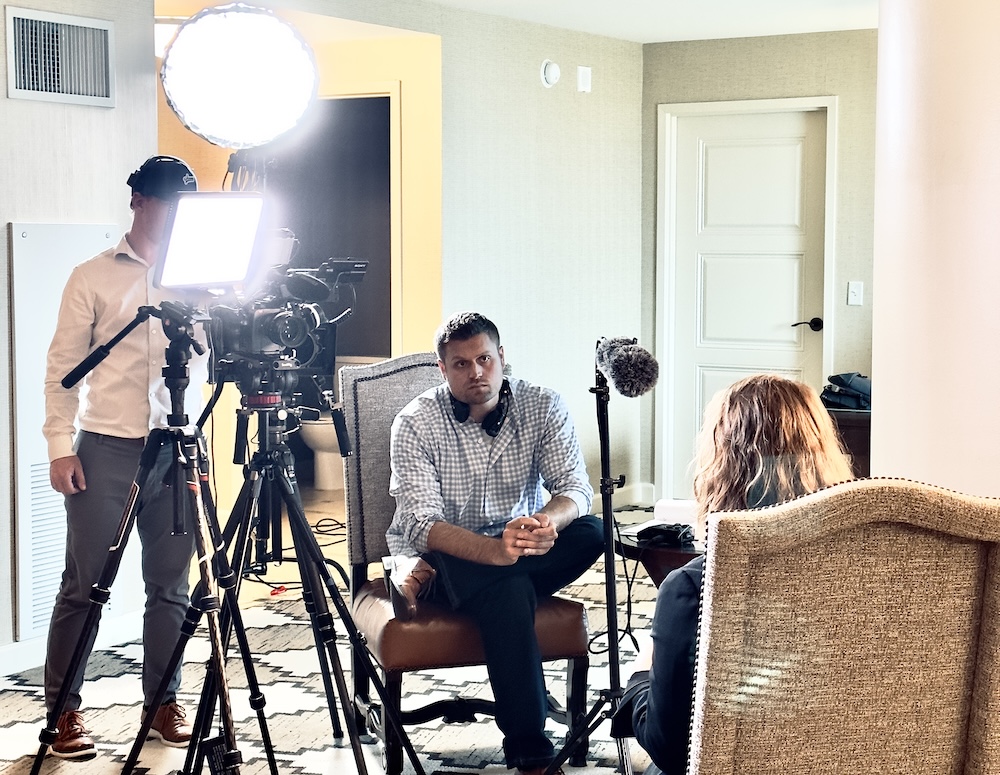
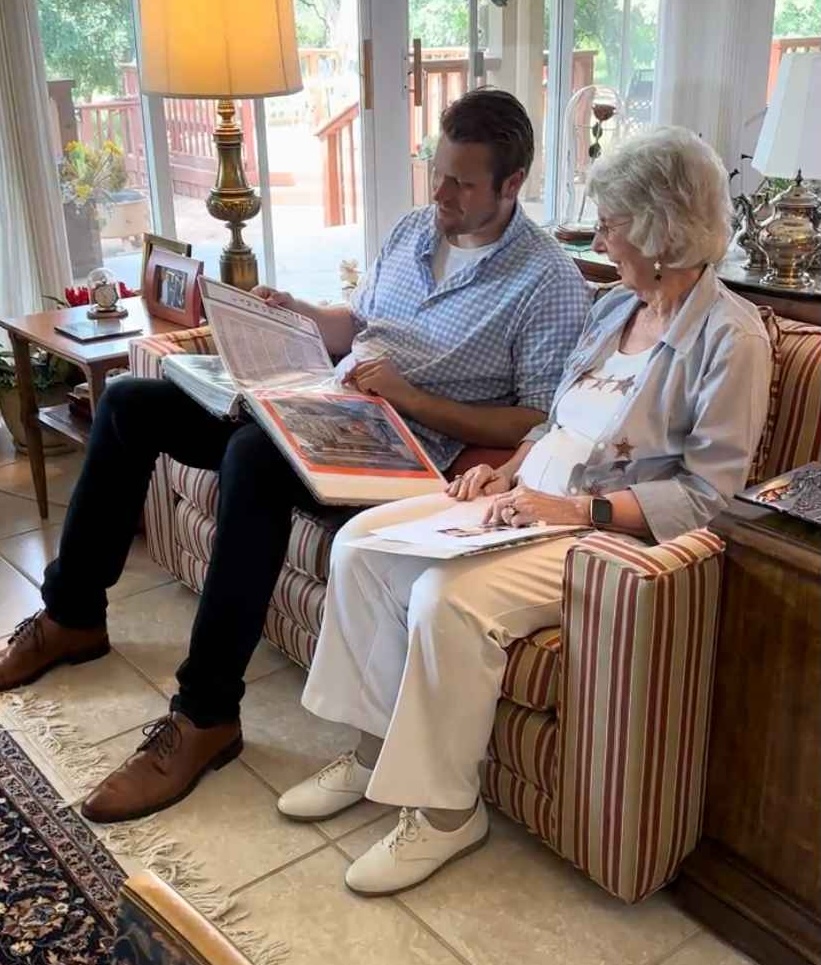
The Continuity Framework in Action
Every client story we help preserve, whether a founder documenting intent, a family capturing values, or a foundation crystallizing thier mission, is organized through these seven lenses.