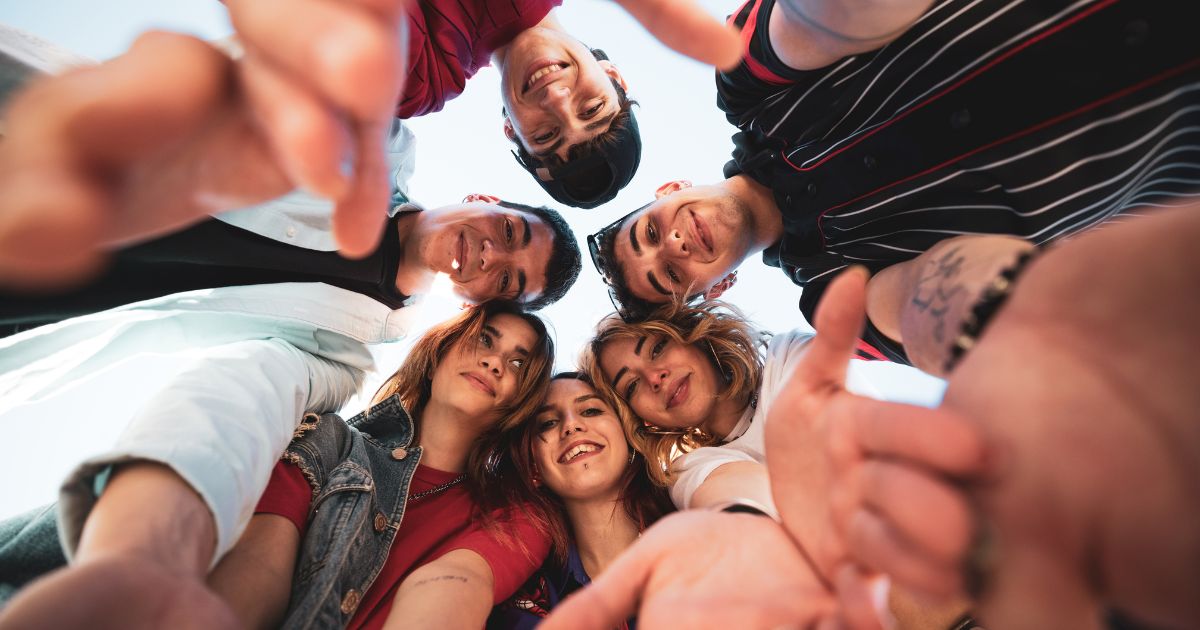
Gen Z scrolls through an endless stream of information daily. Yet the most profound wisdom they’ll ever encounter isn’t on TikTok. It’s sitting across the dinner table, quietly fading with each passing year.
The gap isn’t indifference.
Research reveals a startling disconnect: only 18% of Gen Z describe their relationships with their grandparents as ‘very close,’ compared with 32% of millennials and 41% of Gen X. Technology supposedly keeps us connected. Distance, packed schedules, and uncomfortable silence about how to begin these conversations can make grandparents feel overlooked, highlighting the importance of bridging this gap to make them feel valued.
Gen Z doesn’t just want stories. They want a map.
The Psychology Behind Their Hunger
Family history research consistently uncovers something remarkable: young people who know their ancestral narratives stand taller in their own lives.
Multiple studies demonstrate that adolescents with robust knowledge of family legacy exhibit stronger identity development and superior emotional well-being even after controlling for overall family dynamics. Recent research on U.S. university students found that those versed in their lineage developed healthier identities, grounded without feeling imprisoned by the past.
Robyn Fivush and Marshall Duke at Emory described how family narratives create shared histories that fortify emotional bonds. Young people navigate hardship better when they possess specific stories, not vague platitudes about “Grandma’s tough childhood,” but concrete accounts of loss, calculated risks, demanding work, and hard-won recovery.
These stories give substance to abstract concepts like resilience and courage.
When Gen Z leans in with questions about grandparents, nostalgia isn’t driving them. They’re excavating for:
- Identity: “Where do I actually come from?”
- Resilience: “How did you survive seasons that seemed impossible?”
- Values: “What did you defend when it cost you everything?”
They’re seeking orientation. The world they inherited feels more volatile and precarious than anything their grandparents faced at twenty-three.
What Gen Z Actually Craves
“Tell me about your life” isn’t what they mean. They’re hunting for specific narrative categories.
1) “Who Were You Before Us?”
Gen Z wants to encounter grandparents as complete humans, not just familial roles.
They’re curious about:
- What were you like at seventeen
- What you believed then and what shattered those beliefs
- What insecurities did you conceal from everyone
- What you accomplished that nobody acknowledged
Deloitte’s global Gen Z research consistently finds that this generation filters decisions through purpose, identity, and values more intensively than its predecessors. They’re not merely deciding what to do. They’re determining who to become, and witnessing a grandparent’s “before” provides crucial context.
2) “What Did Hardship Actually Teach You?”
Family history scholarship suggests stories of genuine adversity, jobs evaporated, wars endured, businesses collapsed, illnesses weathered, and forced migrations resonate most powerfully with young people. Sharing these stories can make grandparents feel like they are passing on resilience and hope, inspiring a sense of purpose in both generations.
Gen Z rejects highlight reels. They want:
- The most brutal decision you ever made
- The season you nearly didn’t survive
- The moment you started over and what it revealed
Those narratives provide frameworks for confronting their own anxiety, uncertainty, and restart moments.
3) “How Did Love Work in Your Actual Life?”
Beneath the memes, Gen Z observes a landscape of drifting relationships, public implosions, and fragile commitments.
They want the unfiltered relationship story:
- Who you loved first and what you misunderstood about them
- What you botched and wish you’d handled differently
- What you learned too late
- What you’d want them to know about choosing or staying with a partner
This is the “permission” category. It offers a textured map showing how adult life unfolds with detours and second chances.
4) “What Was Worth Doing Even Without Applause?”
Gen Z exists perpetually in public, quantified by metrics: likes, followers, performance indicators.
They’re starving for stories about:
- Quiet integrity when nobody was watching
- Work done because it was right, not rewarded
- Commitments maintained when they were costly
Values under pressure, not paper values.
This clarity survives time and it’s often the first casualty when elders pass without documenting what genuinely mattered.
5) “What Do You Regret Not Asking Your Parents?”
This is Gen Z racing against mortality.
Growing up through pandemics, relentless mental-health coverage, and news-feed death, they’re acutely aware that time expires.
Deloitte’s research positions purpose and well-being at the center of Gen Z concerns. They want to know:
- What questions do you wish you’d asked your own parents or grandparents
- What conversations have you postponed too long
They ask now so they don’t have to regret later.
6) “What Should I Know About Our Family That Isn’t Written Down?”
Every family harbors a hidden archive:
- Immigration or migration roots
- Survival jobs and early struggles nobody mentions
- Quiet conflicts that shaped major decisions
- The “why” behind traditions, faith, philanthropy, or work ethic
Not trivia. Context.
The kind of details that help a Gen Z grandchild say, “Oh that’s why we’re like this,” and consciously choose what to carry forward.

The Devastating Problem: Questions Never Get Asked
Here’s the overlooked tragedy: in countless families, elders are sometimes desperate to share. The questions simply never arrive.
Ancestry’s survey found that most parents want to share more about their lives but feel their children aren’t asking or don’t have the time. Other surveys reveal similar patterns among grandparents: young adults value their wisdom and want advice, while grandparents crave deeper connection but lack opportunities or prompts to do so.
The barriers are subtle yet destructive:
- Young people don’t want to “bother” grandparents or trigger sadness
- They assume “we’ll do it later.”
- They don’t know which questions matter or how to begin without awkwardness
- They fear long, meandering conversationsthat they can’t gracefully exit
So stories remain locked behind good intentions and polite small talk, but capturing them on film can preserve these bonds before health deteriorates and voices vanish, inspiring action to document family history.
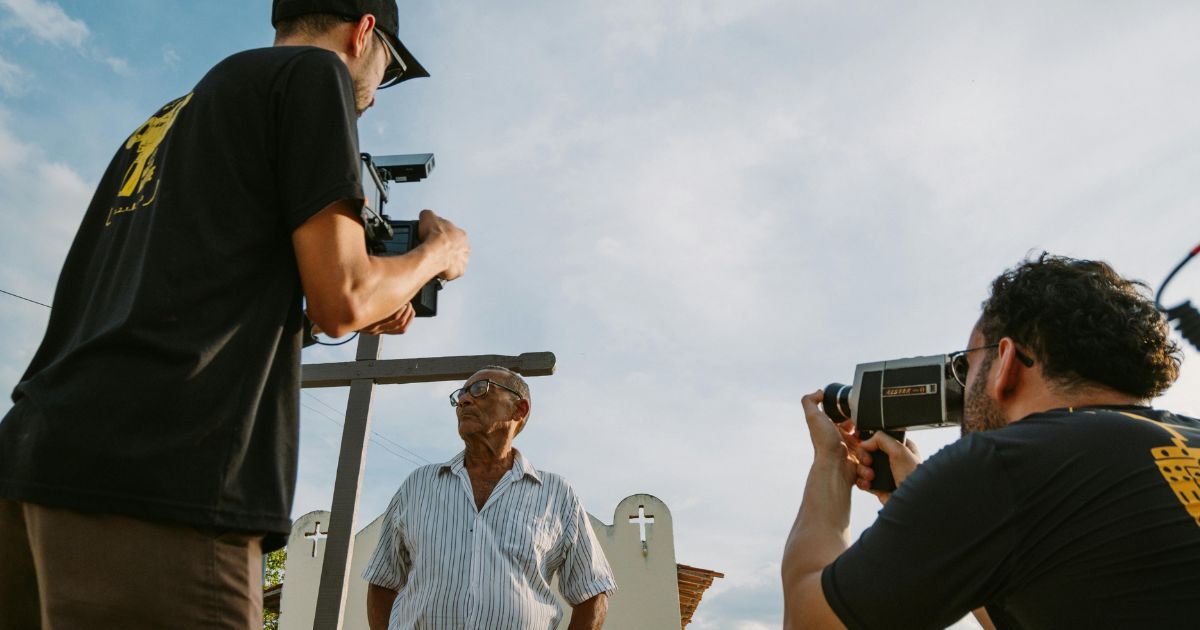
Why film is more effective than traditional methods for bridging the generation gap Lies In its ability to create lasting presence and emotional connection, making family stories more memorable and impactful.
Gen Z is visually native. But film’s deeper advantage isn’t aesthetics, it’s presence.
Digital storytelling and memory preservation projects reveal what happens when narratives migrate from paper to screen:
- Video-based narratives capture voice, cadence, facial expressions, pauses, all the cues carrying emotion beyond words themselves
- Families creating digital stories together report feeling closer, more resilient, and more connected across generations, especially when distance limits in-person contact.
- Structured intergenerational storytelling links to improved attitudes toward older adults and reduced anxiety in younger people about aging and mortality
Identity transmits through presence as much as facts.
A grandchild doesn’t just want to hear their grandmother worked three jobs. They want to see how her eyes move as she discusses it, the quiet in her voice as she remembers, and the laugh that follows the most challenging part.
Film preserves that.
It also fits modern life’s practical constraints:
| Traditional Methods | Film-Based Memory Preservation |
| Written memoirs are often unread | Films get watched—and rewatched |
| Distance limits connection | Accessible on demand, anytime |
| Fragmented attention spans | Well-crafted segments hold attention |
| Facts without emotion | Voice, expression, and presence captured |
For Gen Z, film isn’t supplementary. It’s the most natural way to revisit a person, not just a story.
A Simple “Gen Z Question Set” That Works on Camera
The worst opener for legacy conversations: “Tell me your life story.”
The best approach: ask questions a Gen Z grandchild genuinely cares about and that grandparents can answer in one sitting.
Prompts That Work on Camera and at Dinner:
- “What were you like at my age, really?”
- “What’s something you believed at 20 that you don’t believe anymore?”
- “What was the hardest season of your life, and what got you through it?”
- “What’s a decision you made that changed everything?”
- “Who believed in you early when you didn’t believe in yourself?”
- “What do you want our family to remember besides achievements?”
- “What do you hope I understand about you when you’re not here?”
That final question transforms continuity from abstract to urgent. It invites not just information, but intention.
When asked in relaxed, filmed conversations rather than interrogative “interviews,” grandparents rarely need prompting. They’ve carried these stories for decades. They just needed someone to ask.
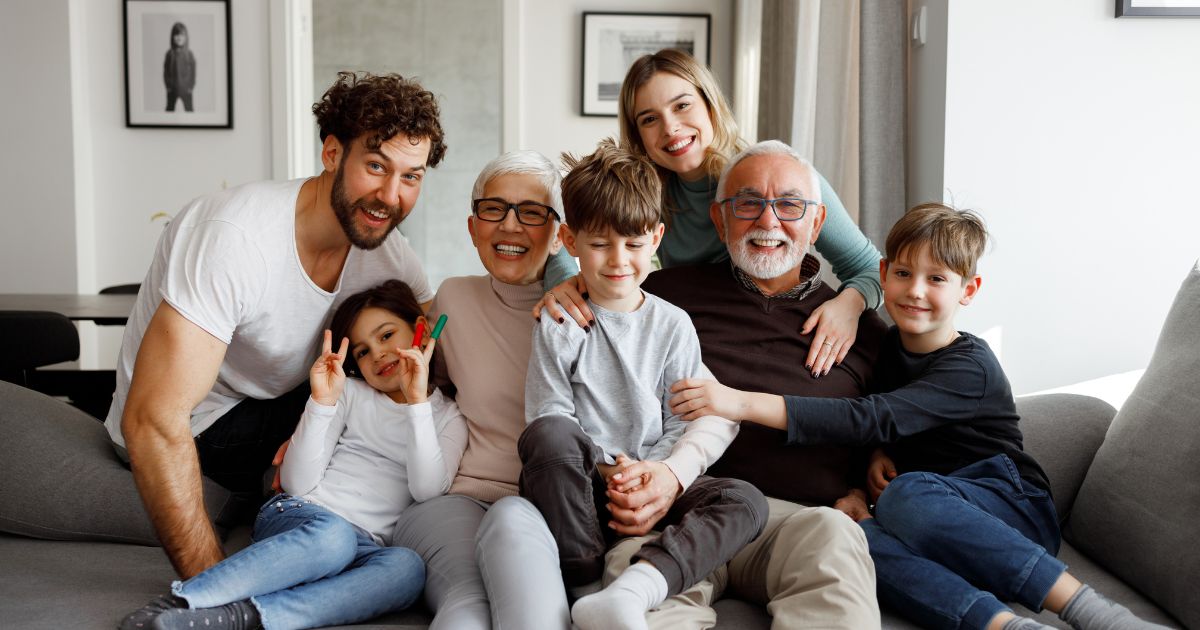
What We’ve Witnessed at Dickens Brothers
When families bring grandparents into the studio or onto carefully planned location shoots, patterns emerge consistently.
Once the lights and cameras disappear and the conversation begins:
- Gen Z family members watch repeatedly, often alone, because the film feels like a relationship, not “content.”
- Parents discover chapters they never knew about their own mother’s or father’s childhoods in wars or recessions, quiet courage, abandoned dreams.
- Family dynamics soften because context returns; behaviors that seemed like stubbornness or distance now make sense as aftershocks from an earlier chapter.s
- “Legacy” stops being vague and heavy, becoming a shared understanding: “This is who we’ve been. This is what it costs. This is what we’ll do with it now.”
The result transcends film. It’s a durable presence that grandchildren return to on good days and bad, and on the day they realize they’ve reached the age their grandparent was in the story.
Gen Z doesn’t just want to know what their grandparents did. They want to know:
- What it cost
- What it meant
- What it shaped in the family
- What it should teach them now
When the voice disappears, people don’t just miss the person; they miss the voice. They miss the chance to understand them, finally and through them, understand themselves.
Memory preservation through film can’t stop time. But it can accomplish bridging the gap between generations in a language both sides understand, preserving presence and orientation before “later” runs out.
If you’re considering capturing a grandparent’s story or your own before the window closes, we’d welcome a conversation.